/23/2/photo_2025-04-24_09-36-34.jpg)
Sayyid Al-Hakeem at “Seen” Dialogue Forum: Iraq Balances Domestic Stability, Regional Engagement, Stresses Elections, Broad Participation Importance
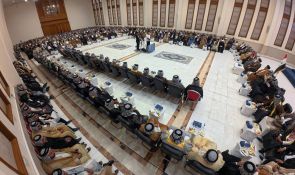
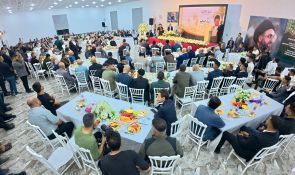
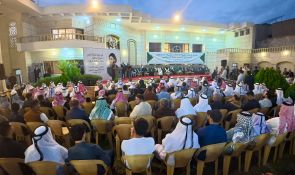
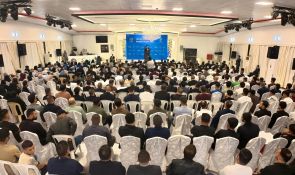
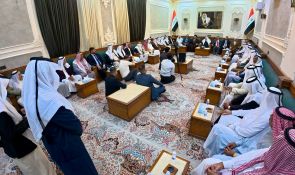
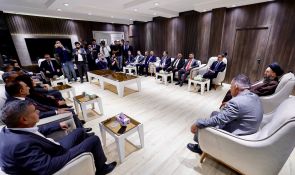
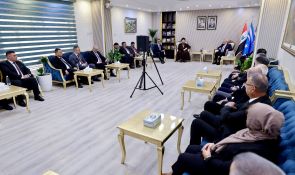
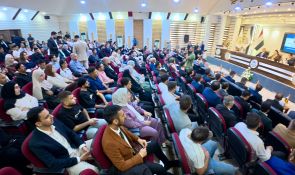
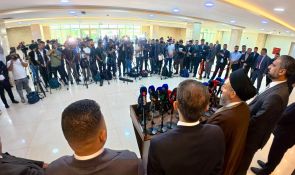
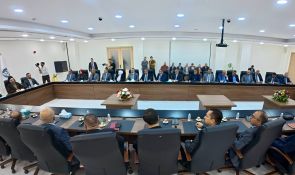
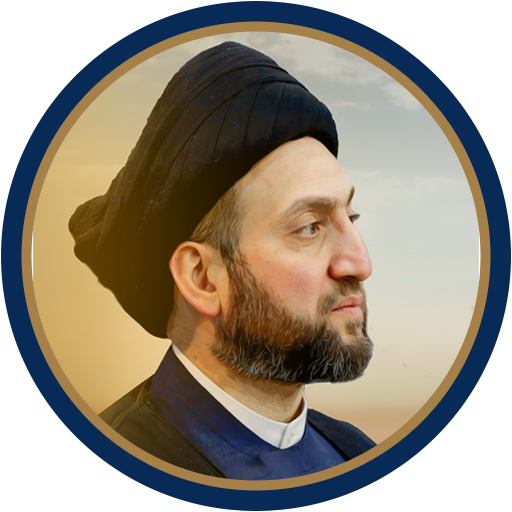
Sayyid Ammar Al-Hakeem, Head of the National State Powers Alliance, affirmed during his participation in the "Seen" Dialogue Forum that the region’s rapid developments have surpassed expectations, making it imperative for Iraq to preserve its internal stability without getting entangled in surrounding conflicts, while continuing to play an active role in regional issues, particularly in supporting Palestine and Lebanon across media, political, and humanitarian fronts.
H.E. noted that Iraq maintains balanced relations with both the Islamic Republic of Iran and the United States, highlighting that the sisterly nation of Oman has served as a trusted venue for negotiations between the two sides. H.E. added that Iraq remains among the key beneficiaries of the dialogues and their positive outcomes.
H.E. confirmed that Iraq’s elections will be held on schedule despite existing challenges, urging the need to deepen understanding with national factions that have made great sacrifices for Iraq. H.E. pointed out that engagement with these factions has evolved in an unprecedented manner, based on preserving collective interests.
Regarding the electoral process, H.E. emphasized that the current election law ensures balance and fairness, rejecting any proposals to amend it at this time, as such moves could disrupt the work of the electoral commission and delay the elections. H.E. stated that the multiple electoral lists within the Coordination Framework were agreed upon consensually and are being managed by a specialized committee overseeing the election campaigns.
H.E. stressed that diversity of opinions within the Coordination Framework is a healthy sign that does not affect its unity, though he called for managing these differences with a spirit of responsibility. H.E. also reiterated the call for full political participation in the elections, describing the involvement of the Sadrist Movement as a national interest that would boost voter turnout.
H.E. affirmed that the National Wisdom Movement continues to perform its national role by presenting ideas and visions to the public sphere, clarifying that non-participation in the government does not mean disengagement from the political scene or withholding advice.
On the regional front, H.E. advocated for a carefully measured engagement with Syria that aligns with Iraq’s interests, particularly in counterterrorism efforts and addressing security instability. H.E. noted that the Prime Minister had briefed political forces on the recent discussions in Qatar regarding this issue.
H.E. also clarified that Iraq, as the host nation, does not have the freedom to select invitees to the upcoming Arab Summit, calling for adherence to inclusive diplomacy and rejecting the use of summits as platforms for exclusion. H.E. reminded that Iraq itself was previously invited to summits despite reservations about its political experience.
In a related context, H.E. renewed his rejection of sectarian rhetoric, stressing that Iraq’s geographic and demographic intertwinement necessitates that any proposal for federal regions must be approached within precise administrative and constitutional frameworks. H.E. warned against the unstudied proliferation of provinces, advocating instead for the establishment of new provinces based on clear criteria and conditions.
H.E. further emphasized that the National Wisdom Movement’s political influence is not solely measured by the number of parliamentary seats it holds, but rather by its positions and political vision. H.E. affirmed that Iraq has moved beyond the risk of political regression and that the people have positively embraced this new direction.
Concluding his remarks, H.E. explained that his frequent visits to the provinces aim to maintain direct contact with citizens, understand their concerns firsthand, and contribute to promoting messages of coexistence and mutual understanding throughout the country.