/25/1/photo_2025-03-26_12-07-24.jpg)
Ramadan Lecture: Sayyid Al-Hakeem Explores Connection Between Prayer and Forgiveness in the Holy Qur’an
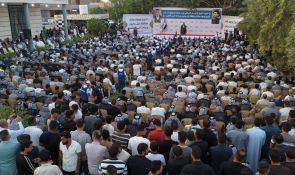
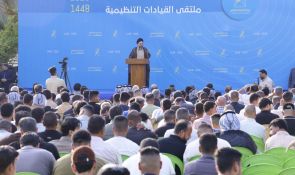
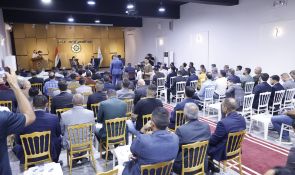
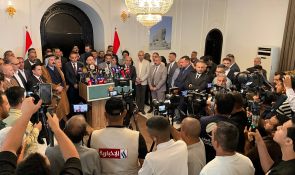
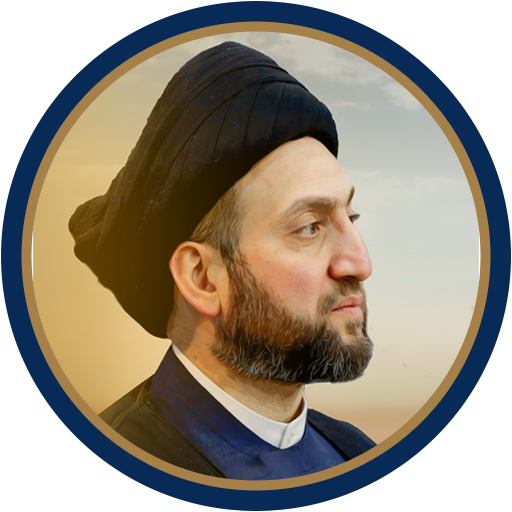
Sayyid Ammar Al-Hakeem, Head of the National State Powers Alliance, continued his Ramadan lecture series today, delving into Qur'anic verses that highlight the impact of forgiveness and its connection to the effects of prayer. This session was part of his ongoing explanation of The Epistle on Rights by Imam Ali ibn Al-Hussein, Al-Sajjad (peace be upon him), where he focused on the right of prayer and its profound influence on human life.
During his talk, H.E. examined verse 20 from Surah Al-Muzzammil, describing it as a comprehensive reference to both worldly and spiritual human endeavors. H.E. emphasized that the verse encourages individuals to maintain a constant state of mindfulness before Allah in all their actions. H.E. also noted that Allah, in His mercy, has eased the burden of worship and elevated acts like reciting the Qur’an and performing prayer among the most extraordinary deeds a believer can offer.
H.E. underscored the significance of regularly reciting the Qur’an due to its unique role in purifying the heart. To support this, H.E. cited a Hadith of the Prophet Mohammed (peace and blessings be upon him and his family): “If any of you wishes to speak with his Lord, let him recite the Qur’an.”
H.E. also emphasized the importance of earning lawful sustenance, referencing a narration by Imam Al-Sadiq (peace be upon him): “There is no good in a person who does not seek to earn lawful wealth.” H.E. explained that true blessing lies in lawful provision, as it supports a person both in this life and the next.
Concluding the lecture, H.E. called for maintaining balance between worldly pursuits and spiritual duties. H.E. affirmed that prayer, almsgiving, Qur’an recitation, and striving in the way of Allah are all manifestations of righteousness that draw one closer to the Divine and open the gates of mercy and forgiveness.