/18/1/photo_2025-03-20_09-51-33.jpg)
Sayyid Al-Hakeem Continues Ramadan "Effects of Prayer" Lecture in Holy Quran
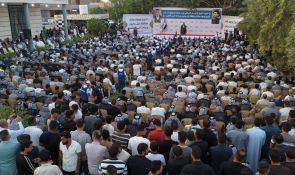
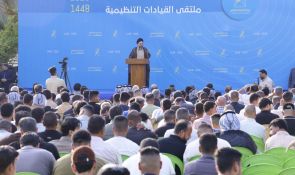
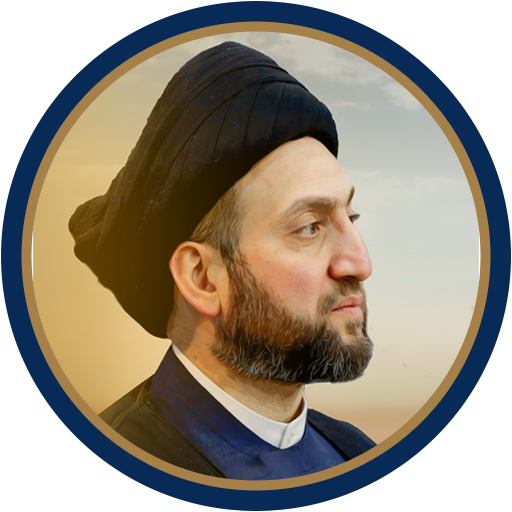
In today's Ramadan lecture, Sayyid Ammar Al-Hakeem, Head of the National State Powers Alliance, continued his discussion on the effects of prayer in the Holy Quran, stemming from the "Right of Prayer" - the tenth right in The Epistle of Rights by Imam Ali ibn Al-Hussein, Al-Sajjad (peace be upon him).
During the lecture, His Eminence outlined the profound effects of performing prayer, stressing the necessity of sincerity in worship. H.E. cited the Quranic verse: "They were only commanded to worship Allah, being sincere to Him in religion" (98:5 Holy Quran), noting that sincere worship - prayer and charity - reflects humanity's shared innate nature across all divine messages. H.E. added that prayer strengthens divine guidance, as the Quran remains an eternal beacon for believers and the righteous who deeply contemplate its meanings.
Sayyid Al-Hakeem also addressed prayer's role in human guidance, explaining that the Quran guides those who believe in the unseen, establish prayer, and give charity. H.E. elaborated how faith in the unseen and righteous deeds form the foundation of a believer's spiritual growth. H.E. further highlighted prayer's social function, particularly in mosques, stating that congregational prayer is vital for building Islamic societies - provided mosques are founded on sound principles of knowledge, piety, and lawful sustenance.
Concluding the lecture, Sayyid Ammar Al-Hakeem urged active engagement with mosques as spaces of worship and reflection. H.E. emphasized preserving communal prayer obligations and fostering religious-social environments that elevate spiritual and communal well-being.