/5/1/photo_2025-03-09_10-01-46.jpg)
Sayyid Al-Hakeem Continues Explanation of "Right of Prayer" in Imam Zain Al-Abidin’s Epistle on Rights in His Ramadan Lecture
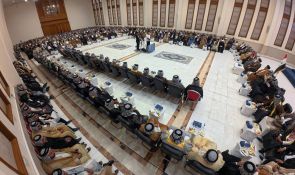
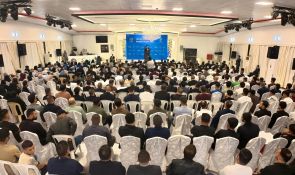
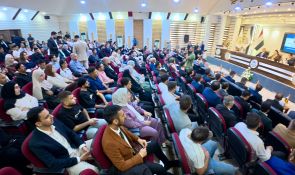
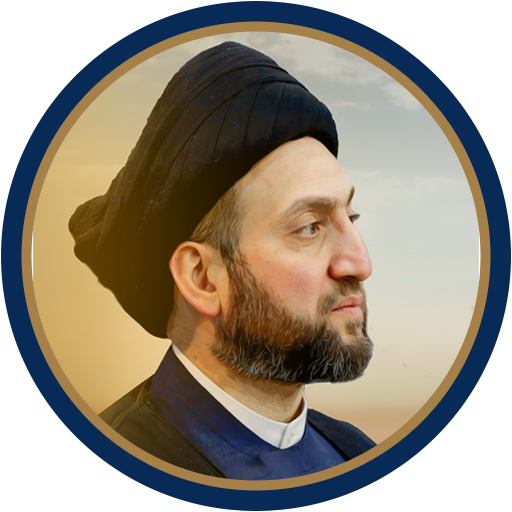
As part of his Ramadan lecture series, Sayyid Ammar Al-Hakeem, Head of the National State Powers Alliance, continued his discussion on the tenth right in Imam Zain Al-Abidin Ali bin Al-Hussein’s (peace be upon him) Epistle on Rights, focusing on the "Right of Prayer." H.E. elaborated on the first key aspect of this right, which highlights the true essence of prayer and its elevated status in Islam.
During the lecture, H.E. referenced various Quranic verses and narrations that emphasize the significance of prayer. H.E. also examined several noble hadiths that shed light on the greatness of prayer and the conditions for its acceptance, including a narration from Imam Jaafar Al-Sadiq (peace be upon him), who said: "I only accept the prayer of those who humble themselves before My Majesty, restrain their desires for My sake, and spend their day in My remembrance." This hadith illustrates how prayer serves as a gateway to divine light and mercy.
H.E. also highlighted additional narrations, including those from Imam Al-Ridha (peace be upon him), who emphasized that prayer is only valid when certain conditions are met, such as performing ablution properly, having sincere intention, possessing unwavering faith, and avoiding distractions. Another narration from Imam Al-Ridha (peace be upon him) described prayer as "Allah’s connection to His servant through mercy," underscoring its role as a means of direct communication with the Almighty.
Further elaborating on the essence of prayer, H.E. stressed that it is not merely a ritual obligation but a transformative act that fosters a genuine connection with Allah through sincerity, humility, and spiritual focus. H.E. explained that prayer is the highest form of worship, created by Allah in its most perfect expression. H.E. then outlined the spiritual stages of prayer that must be attained to fulfill its true purpose, including sincerity to Allah, presence of heart, understanding of its words, reverence for the Almighty, a sense of awe, hope, and modesty before Allah.
Concluding the lecture, H.E. underscored the necessity of fully engaging with prayer, noting that achieving these spiritual dimensions allows individuals to perform their prayers in their complete and rightful form, drawing them closer to Allah Almighty.