Sayyid Al-Hakeem: Genuine Economic Reform May Impose Phased Challenges, Opens Path to Strategic Solutions
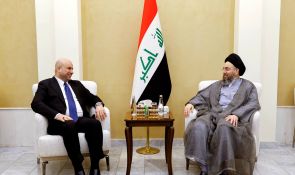
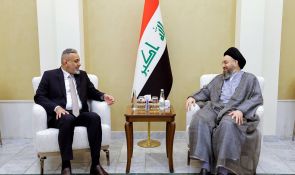
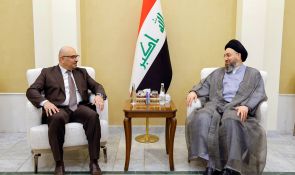
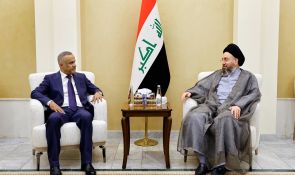
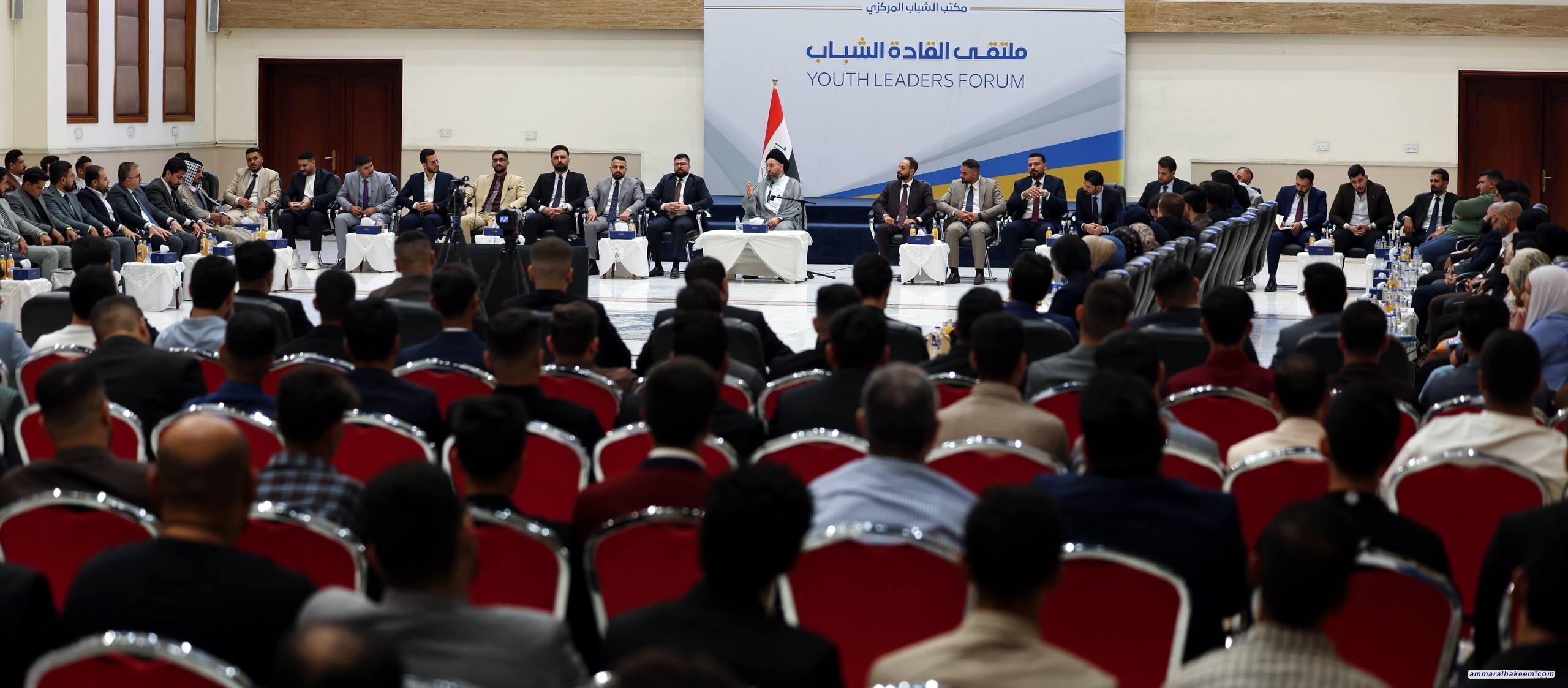
His Eminence Sayyid Al-Hakeem, Head of the National State Powers’ Alliance, received a large gathering of youth leaders as part of the events of Diwan Baghdad, congratulating them on the blessed birth anniversary of Lady Zaynab (PBUH) and explaining her role in defending the project of Imam Hussein (PBUH), and how she turned challenge into opportunity and ordeal into a gift, being a true embodiment of that, and calling for emulating her (PBUH).
H.E. explained that regional events have had repercussions on all countries of the region and the world, clarifying that the use of force did not lead to achieving the declared objectives of the war, and called for preserving the achievements made in Iraq, protecting them, and working to develop them. H.E. considered the end of the International Coalition’s missions to defeat ISIS in Iraq a message of recovery and an international testimony to Iraq’s security and stability, noting that the agreement was reached through understanding and constructive dialogue, and that this achievement is a success story for Iraq and a step that counts in its favor.
H.E. explained that the challenges looming over Iraq are security challenges, calling for precaution and caution and for intensifying security and intelligence efforts in tracking terrorist ISIS and confronting any attempt by terrorism to catch its breath. H.E. stressed sending reassuring messages among the Iraqi components and affirming internal cohesion, and affirmed the importance of confronting any rhetoric that provokes feelings and disturbs the public mood, describing this condition as a great danger to Iraq.
H.E. also stressed the need to proceed with the project of addressing the problem of weapons outside the state, with the importance of the project covering all weapons outside the framework of the state under any title, reminding that the Iraqi Constitution does not allow threatening neighboring countries from Iraqi territory, and explaining that Iraq’s overcoming of these challenges will put it on the right path toward building, reconstruction, and achieving full sovereignty. H.E. pointed to the decline in Iraq’s revenues due to the decline in oil production and exports, stressing the importance of looking after employees, contractors, and farmers, and paying funds for essential expenditures.
H.E. said the change in the exchange rate came as a result of a proposal from the World Bank, explaining that monetary policy is tied to the Central Bank, and clarifying that the dollar is a commodity subject to supply and demand, and expressed optimism that the government will succeed in bridging the gap between the two rates in the near future. H.E. considered demonstration a peaceful right, with the state responsible for protecting demonstrators and for choosing the right time and place, warning against exploiting demonstrations to achieve political ends and particular agendas, and urging demonstrators to be mindful of these agendas, which ride on the demands of the protests to achieve political goals.
H.E. renewed the call to move away from the rentier economy toward a diversified economy, explaining that a hidden class lives off the rentier economy and, through electronic armies, confronts any reformist economic step, and stressing public awareness that distinguishes between emotional talk and the country’s supreme interests, with the importance of bearing the hardships resulting from genuine, fundamental remedies that carry phased pain, alongside strategic treatment, making this conditional on the strength of political decision-making and on taking it away from private interests. H.E. considered the delay in forming and completing the government a natural matter given the outputs of the parliamentary system and the multiplicity of blocs, parties, visions, and positions, affirming that the social contract needs suitable ground and conditions for review through understanding and dialogue, for the social contract does not mean
demolishing all that has been achieved, but rather addressing problems through understanding and dialogue.
H.E. explained that the Jaafari Code in the Personal Status Law for the Jaafari school is optional, without coercion or arbitrariness, calling on objectors to read the law carefully, as many of the points raised are untrue, and expressed surprise at the law being put up for discussion at this time, considering it likely that raising it again is aimed at stirring up sectarian strife and unsettling the Iraqi situation after the end of the International Coalition’s missions in Iraq.