Sayyid Al-Hakeem: Babil Qualifies for Civilization Capital, Benefit from Archaeological Heritage
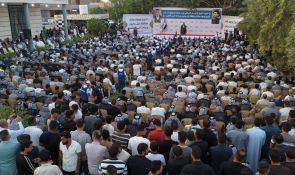
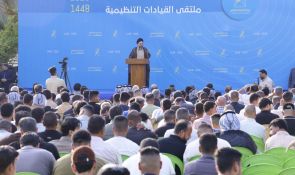
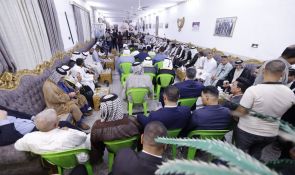
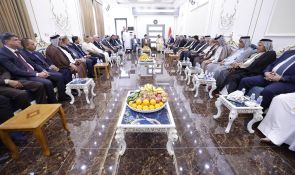
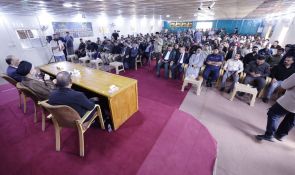
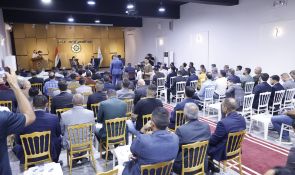
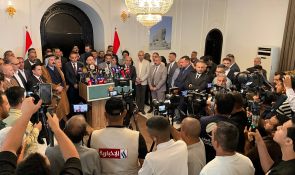
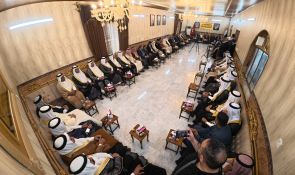
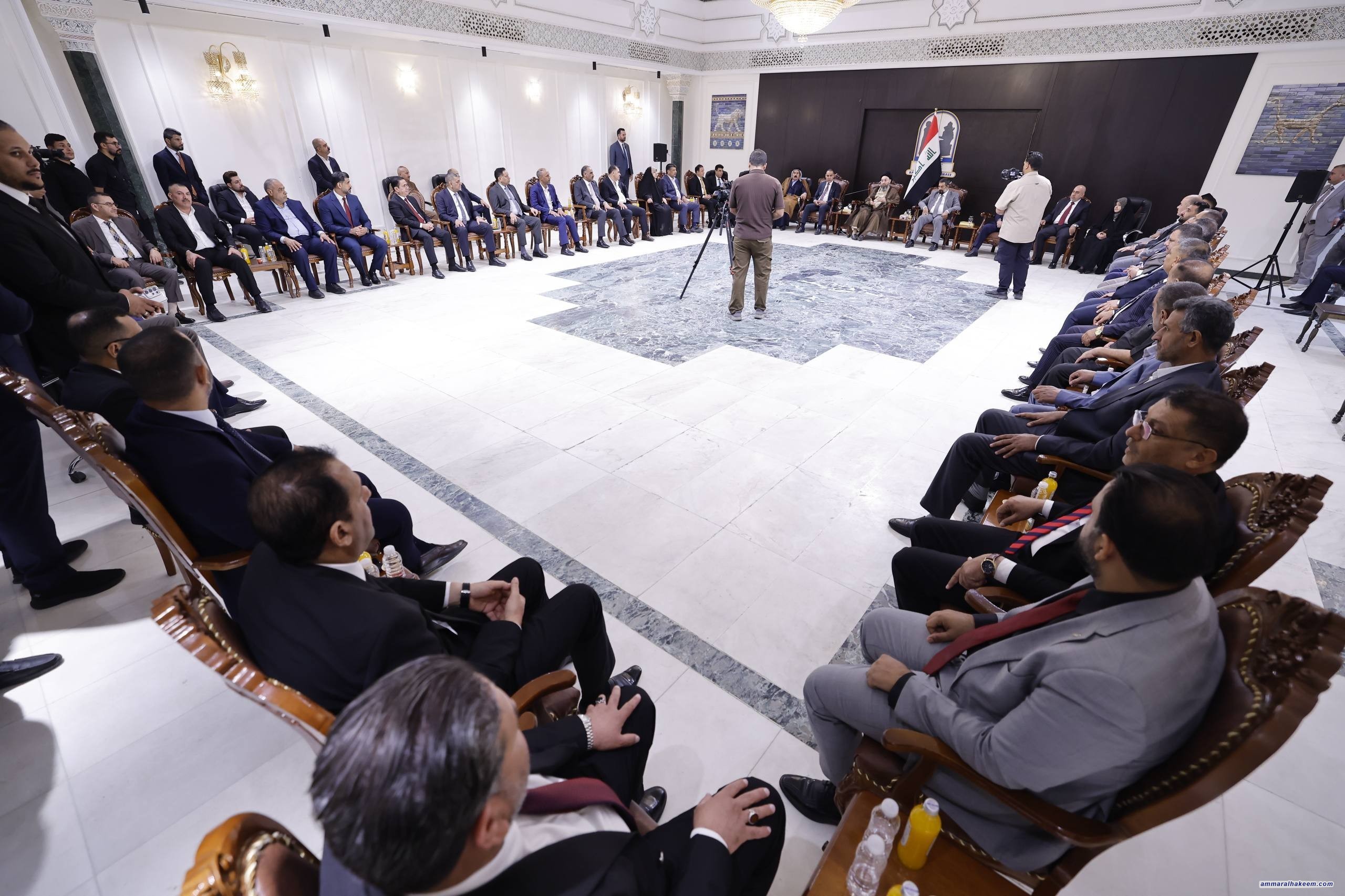
From Babil Governorate, His Eminence Sayyid Al-Hakeem, Head of the National State Powers' Alliance, met the Governor of Babil, Mr. Ali Turki, the Chairman of the Governorate Council, Mr. Asaad Al-Musalmawi, a number of Council of Representatives members from Babil Governorate, members of the Governorate Council, heads of administrative units, directors of service departments, and security leaders in the governorate.
H.E. explained that the mission of the International Coalition to counter ISIS is nearing its end, regarding this as a message of Iraqi recovery and an international testament to it, and expressed thanks and appreciation to everyone who supported Iraq in confronting terrorism, pointing out that the Coalition's presence carries an element of guardianship over Iraq, and that it must come to an end.
H.E. praised the history of Babil as the gateway to introducing Iraq to the world, pointing out that Iraq has been affected by regional developments, which led to a decline in Iraqi oil production and exports, while oil represents 94 percent of the budget. H.E. called for lowering expectations and ambitions in the current phase and for explaining the nature of this exceptional phase without stirring fear and panic among the public, explaining that the crisis is one of liquidity, not a crisis of capabilities and resources.
H.E. deemed it likely that the regional crisis will end soon, given its harm to the global economy, and regarded local governments as the face of the state toward the citizen, which is the rationale behind the philosophy of administrative decentralization, since the people of Mecca know its mountain paths best. H.E. explained that decentralization is sometimes a victim of personal interests and at other times a victim of a deeply rooted centralized administrative legacy, pointing out that the lack of understanding of decentralization and some mistakes have negatively affected the performance of local governments.
H.E. called for distributing powers and roles and granting local governments their powers, stressing the fair distribution of roles without domination, and made a strong, balanced Iraq conditional on a strong center and strong peripheries.
H.E. pointed to the government's plans to raise oil production capacity, explaining the importance of understanding Iraq's need for foreign investment and of adopting partnerships that serve Iraq's interest first and contribute to maximizing revenues and launching the process of reconstruction and development.
H.E. called on local governments to diversify their revenues in order to bring about a development revolution in the governorates, noting the importance of investing in Babil's archaeological sites to maximize revenues by activating the tourism side, and pointing to the current government's direction toward focusing on specific governorates to bring about a developmental leap in them, then moving on to the rest of the governorates.
Regarding drugs, H.E. said that drugs are a "silent terrorism" and that there are statistics and data that require serious treatment through awareness, prevention, and treatment, with a distinction between the dealer and the user from a medical and legal perspective, placing the responsibility for addressing it on everyone.
H.E. called for making Babil a capital of civilization, drawing on its archaeological significance and cultural identity, recalling the "Babil: History and Civilization" initiative and the importance of following up on its provisions, including the establishment of New Hillah City, and stressing the importance of boldness in decision-making.