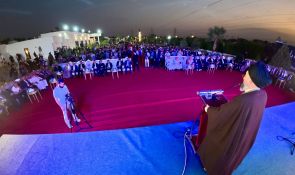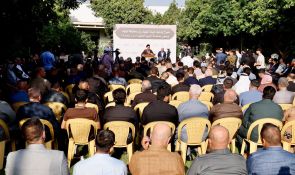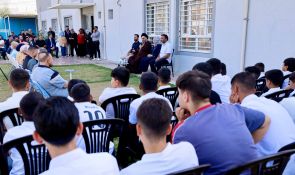
Sayyid Al-Hakeem Calls Diwaniyah Local Government to Prepare for Development Opportunities, Choose Genuine Companies
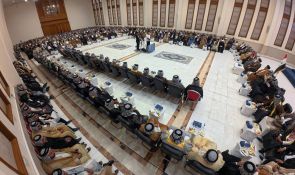
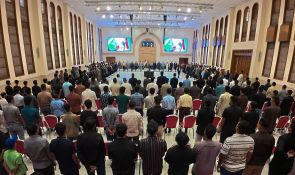
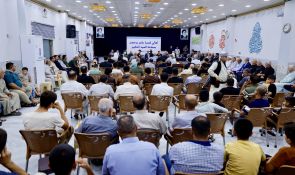
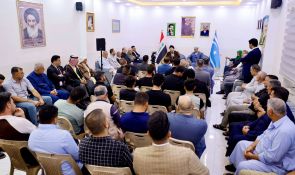
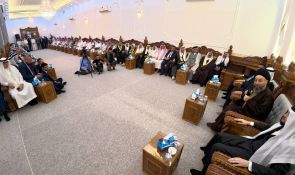
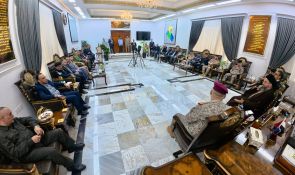
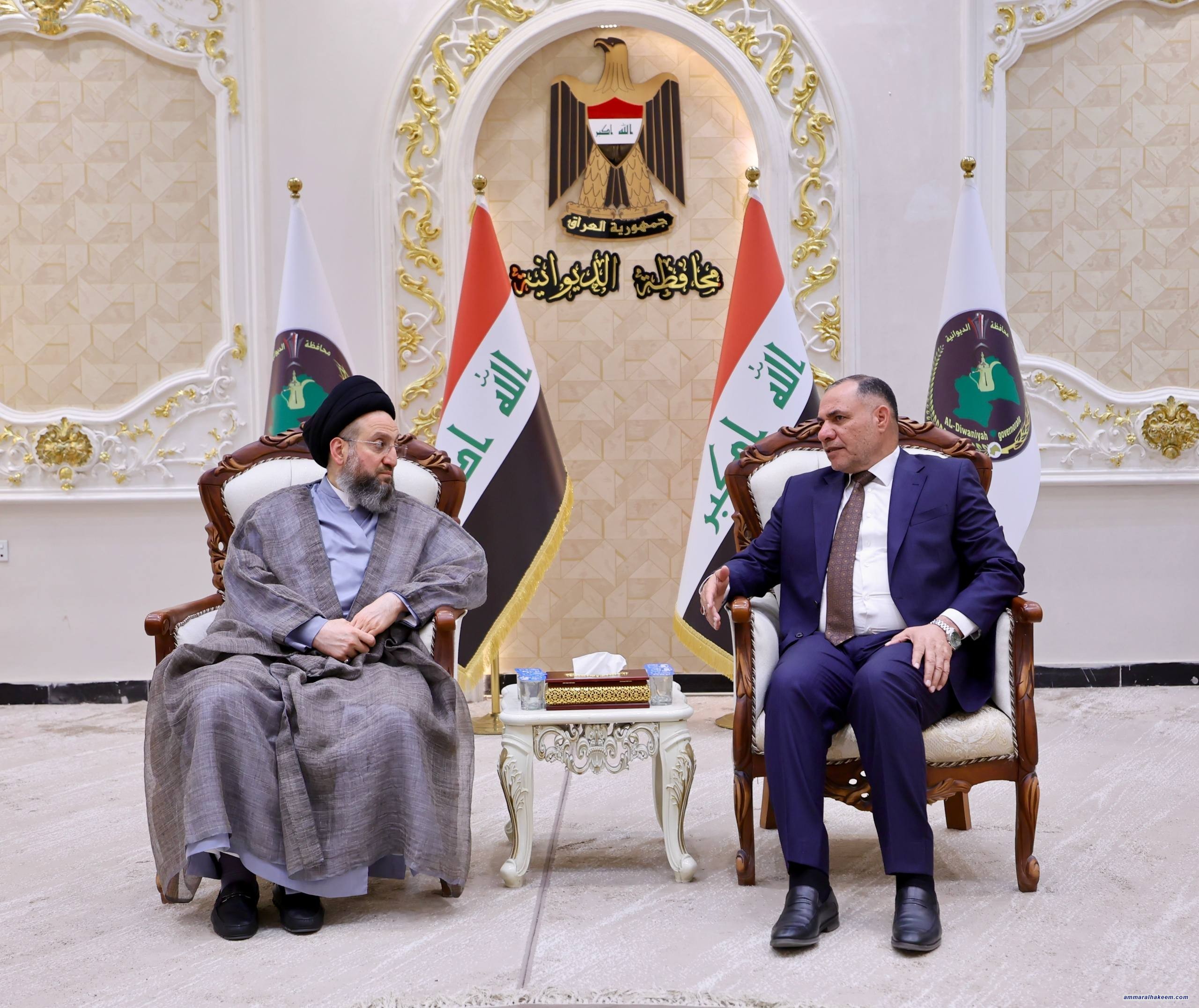
As part of his tour of Al-Diwaniyah Governorate, during his visit to the governorate's headquarters, and in the presence of Governor Abbas Shua'il Al-Zamili, H.E. Sayyid Al-Hakeem, Head of the National State Powers' Alliance, met with a number of provincial council members, heads of administrative units, directors of service departments, and security leaders in the governorate.
H.E. extended his congratulations to those present on the anniversary of the birth of the Greatest Prophet (Peace be upon him and his family) and the birth of his grandson Imam Al-Sadiq (PBUH), and offered his condolences on the anniversary of the martyrdom of Shaheed Al-Mihrab, Grand Ayatollah Sayyid Mohammed Baqir Al-Hakeem (may his Soul be sanctified). After listening to a briefing on the situation in the governorate, H.E. affirmed the value of Al-Diwaniyah Governorate as Iraq's agricultural capital, calling for turning it into an important hub for the agricultural sector as a whole, noting that the crisis in Al-Diwaniyah is a resource-management crisis, and expressing his hope for the preparation of a comprehensive plan to make Al-Diwaniyah Iraq's agricultural capital.
H.E. pointed to the current financial crisis and the decline in oil production and exports resulting from compelling regional events, affirming that everyone has been affected by the current crisis, but that Iraq has been the most affected by the ongoing war. H.E. renewed his call for diversifying export outlets through the Red Sea and the Mediterranean via a pipeline network, noting that Iraq had missed the opportunity to benefit from the rise in oil prices over the past period due to its lack of the pipelines and infrastructure necessary for that.
Sayyid Al-Hakeem renewed his call for diversifying the economy through the five sectors of agriculture, industry, tourism, investment, and modern technology, expressing his confidence in the ability of these sectors to provide the budget with significant revenues that could match or exceed those of oil, considering the selection of Al-Zaidi to have stemmed from the necessity of diversifying the economy and adopting a specialized program-based budget targeting specific sectors and governorates, and affirming that electricity is the key to driving the economy.
H.E. called for targeting the poorest governorates in the reconstruction and development process, noting that Al-Diwaniyah is the poorest, in addition to Salah Al-Din Governorate, and affirming the importance of a budget based on priorities, moving away from a budget of duplicated tables and figures, and calling for its approval and the issuance of its instructions at the ideal time so that relevant bodies can implement their resources. H.E. urged the local government in Al-Diwaniyah to prepare for these opportunities and to select reputable companies, and noted the importance of channeling funds recovered from the anti-corruption campaign into advancing stalled projects.
H.E. affirmed the importance of administrative decentralization, warning against any move to abolish provincial councils, and stressing the importance of leveraging all available means to protect administrative decentralization as a constitutional reality. H.E. expressed his hope that the regional crisis would end soon given the damage it is causing at the international level, and stressed the priority of salaries and the rights of farmers and contractors in sustaining economic momentum and providing job opportunities, without straining the state's structure with new appointments. H.E. also expressed his surprise at farmers being pursued for their debts while the state does not pay farmers what they are owed for the crops marketed to it, pointing to the importance of understanding the difficult economic circumstances.