/16/3/photo_2025-10-18_09-26-37.jpg)
Sayyid Al-Hakeem Praises International Institutions Iraqi Researchers, Calls for Stronger Engagement
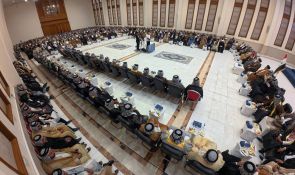
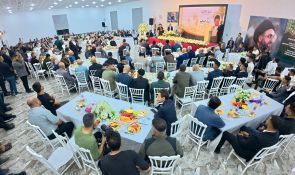
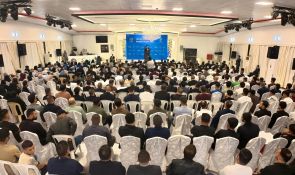
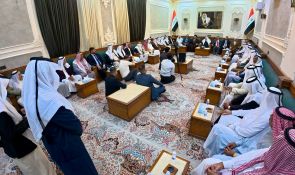
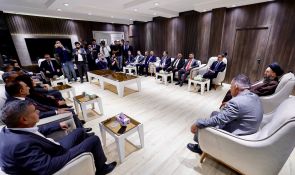
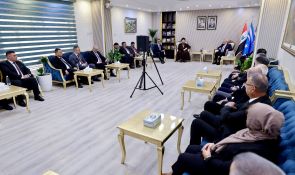
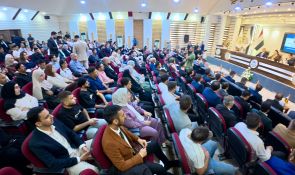
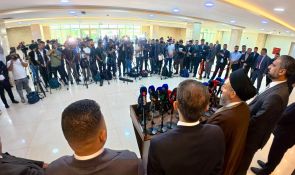
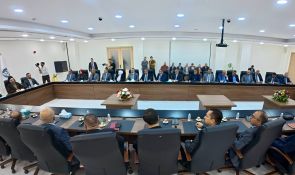
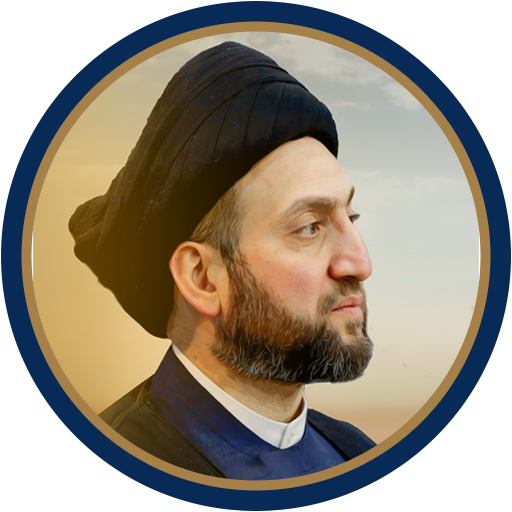
Sayyid Ammar Al-Hakeem, Head of the National State Powers Alliance, met with a distinguished group of Iraqi international researchers participating in the Iraqi Research Leadership Forum organized by the Iraqi Group for Foreign Affairs in Baghdad.
His Eminence emphasized Iraq’s need for their expertise to dispel misconceptions surrounding the Iraqi experience and underscored the importance of highlighting the country’s achievements. H.E. commended the role of public opinion groups in presenting an accurate image of their nations and called for continuous communication with Iraqi researchers in international institutions to convey Iraq’s true reality. H.E. noted that every nation faces challenges and shortcomings, and Iraq is no exception.
H.E. urged for objectivity when comparing Iraq with other countries, explaining that Iraq has gone through difficult phases—wars, sanctions, and terrorism—especially since 2003. H.E. stated, “Iraq should be compared to itself—how it was and how it has become.” H.E.added that the Iraqi experience has achieved remarkable progress relative to the scale of the challenges faced, emphasizing that Iraq now enjoys a genuine democratic experience.
H.E. affirmed that Iraq’s security was not accidental but earned through sacrifice, blood, and the dismantling of terrorist networks, adding that internal differences within components have become political rather than sectarian, which is a positive sign of maturity.
Expressing optimism about the upcoming elections, H.E. said they will witness broader participation and be stronger and more decisive than previous ones, serving as a turning point toward lasting stability. H.E. added that the current election law helps achieve balance between seats and votes, having already been tested in both provincial and Kurdistan regional elections.
H.E. highlighted Iraq’s prudent handling of regional crises without becoming entangled in them, noting that public sentiment is shifting toward renewal and that change will align with the country’s evolving needs.
Addressing the Personal Status Law, H.E. clarified that it concerns individuals’ personal matters and guarantees their freedom of choice, stressing that some recent interpretations of the law were inaccurate.
H.E. underscored the importance of the Federal Service Council in ensuring fairness in employment opportunities and called for creating a special voter registry for minority communities covered by the quota system—such as Christians and Yazidis—to safeguard their representation.
Elaborating on the concept of “Shia Nationalism,” H.E. explained that it aims to correct misconceptions about the community, encouraging an understanding of it through three dimensions:
Doctrinal, which unites Shia communities wherever they are.
National, reflecting their bond with their fellow citizens and other national components.
Intellectual, encompassing Islamic, liberal, and civil Shia perspectives.
H.E. also pointed to the growing integration of armed factions into Iraq’s political and social life, evidenced by their active participation in national affairs.
Reaffirming his commitment to empowering youth, H.E. stated that Al-Hikma National Movement has presented a pioneering model in youth leadership and empowerment. H.E. called for building a true state of institutions as a comprehensive solution to national challenges, noting, “This is why we chose ‘the State’ as the title of our alliance.”
H.E. further stressed the importance of regional and international engagement and interconnection of mutual interests, reminding that 11/11 marks the beginning of the project, not its end. H.E. also called for fair and constructive principles in electoral competition.
In conclusion, H.E. emphasized the necessity of finding realistic and just solutions to the region’s crises, asserting that experience has proven the ineffectiveness of temporary or unfair solutions. H.E. renewed his call for an internal partnership of the strong and for balanced regional and international relations that safeguard Iraq’s interests and stability.